Skip to content
ANCPI is unavailable. The issue of land register extracts is suspended nationwide. View status

Choose your situation

Go straight to the checking process suited to your property.

Buying a flat

Start with the land register, litigation and seismic risk.

Start the process

Buying land

Start with the approximate area, then check risks and planning.

Start the process

Checking the seller

Clarify the individual, company, documents and pressure to pay a deposit.

Start the process

Practical guides with checking steps and references to official sources.

Actualizat august 2026

Buyer's guide

6 guides

Steps to buying a property: from viewing to signing

Every step from the first viewing to signing before a notary: checks, costs, preliminary contract, mortgage and land registration.

What you clarify: Know exactly what to check and pay at each stage.
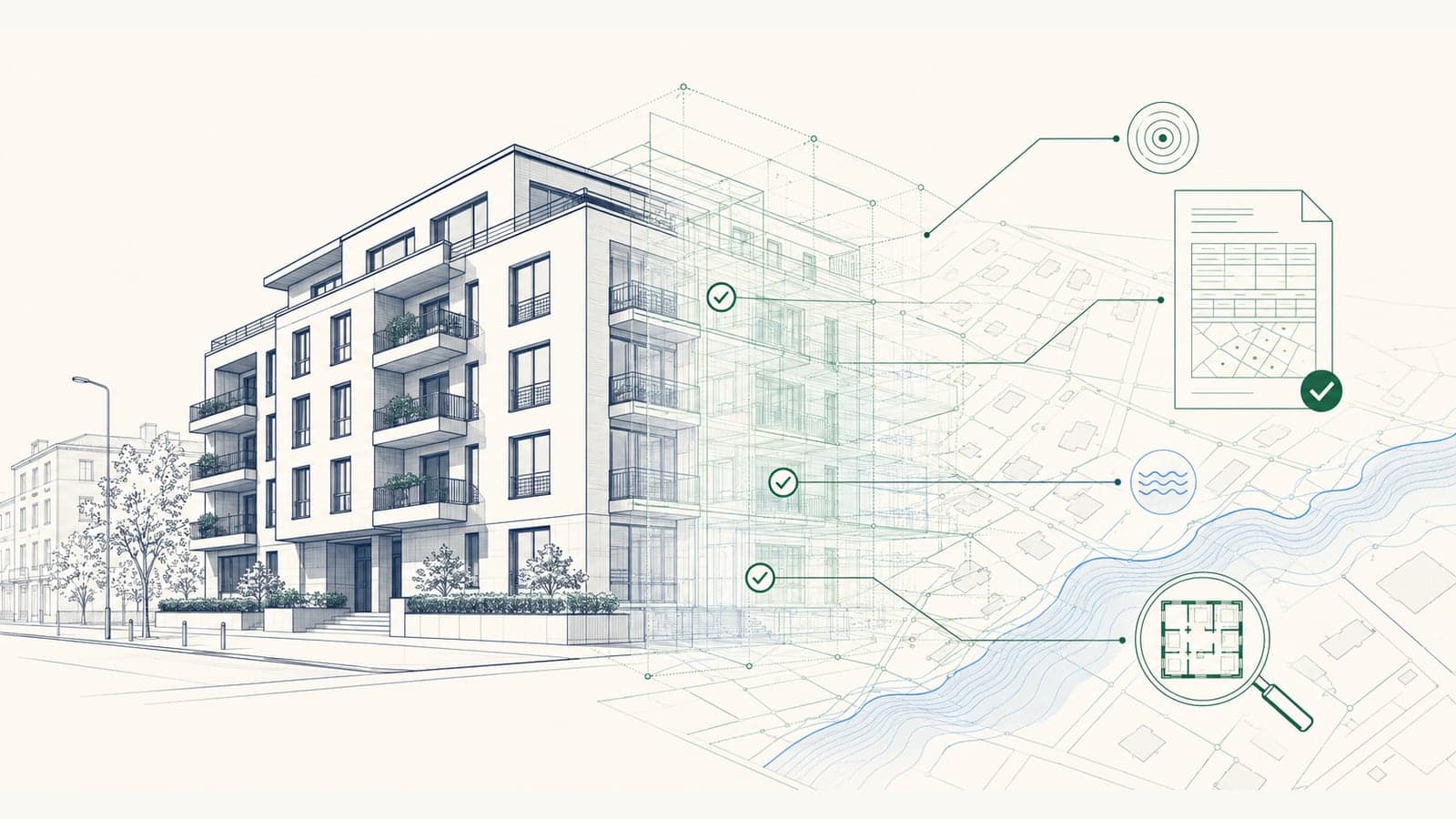
How to check a property before buying: complete guide

The complete checklist before paying a deposit and signing: documents, owner, encumbrances, planning, risks, debts and value, each with its official source.

What you clarify: Check off every risk before paying.

Land register extract: complete guide

What the land register extract contains, how to read it and what to check before buying.

What you clarify: Confirm the owner, encumbrances and official boundaries.

Land register extract by address: how to find the cadastral number

ANCPI does not search by postal address: the extract is requested using a cadastral or land register number. How to find the cadastral number for free from an address, directly on the map.

What you clarify: Turn the address in the listing into the correct cadastral number before ordering the extract.

View all 6 guidesShow fewer

Costs and fees

4 guides

ANCPI unavailable and the 9% VAT deadline for homes

What the e-Terra blockage means for buyers who need to complete the purchase of an eligible home by 31 July 2026.

What you clarify: Know what is in force, your exposure and what to ask the notary and developer for now.

Is property sale tax changing? Forms 208 and 209

Nothing changes in 2026: tax remains 3% or 1%, on the higher of the price and notarial valuation grid value. Form 208 is the notary's six-monthly return; 209 is only for transfers without a notary. Where the confusion in the press comes from.

What you clarify: Know what is reported to ANAF and how much you actually pay on a sale.

e-Proprietatea and market-value taxation from 2027

What is law (building tax has already increased in 2026, the RO e-Proprietate system exists), what is only an announcement (market-value taxation from 1 January 2027) and what is a rumour (“+270%”). The actual timetable, without panic.

What you clarify: Distinguish the law in force from announcements and rumours before reacting.

Notarial valuation grid 2026: the property's minimum value

How to use the notarial valuation grid and what the minimum value means for fees.

What you clarify: Estimate the fees and check whether the price makes sense.

Documents and legal matters

7 guides

ANCPI and e-Terra are not working: cyberattack, live status

ANCPI estimates a phased return of e-Terra during the week of 10–16 August 2026. See the reopening sequence and the rules for applications, payments and documents.

What you clarify: Know when the return is expected and what happens in the first few days.

ANCPI: was your data stolen? What is confirmed and what to do

After the cyberattack on ANCPI: the institution and DNSC say land register data were not affected; the attacker claims to have stolen data. What is confirmed, what is merely a claim and what precautions to take.

What you clarify: Know what is confirmed, what is merely a claim and what precautions to take for your accounts.

Tax clearance certificate mandatory for the buyer too (OUG 7/2026)

From 2026, a property sale also requires a tax clearance certificate for the buyer. What OUG 7/2026 changes and what you risk without it.

What you clarify: Know which certificates you need to prevent the deed from being void.

The Nordis Law: what it covers and where it offers no protection

The safeguards under Law 207/2025 for homes bought from developers (maximum 5% deposit at reservation, dedicated account, recording the sale promise in the land register) and its gap: individuals, land and rentals remain uncovered.

What you clarify: Know when the new law protects you and when you are on your own.

View all 7 guidesShow fewer

Land and planning

6 guides

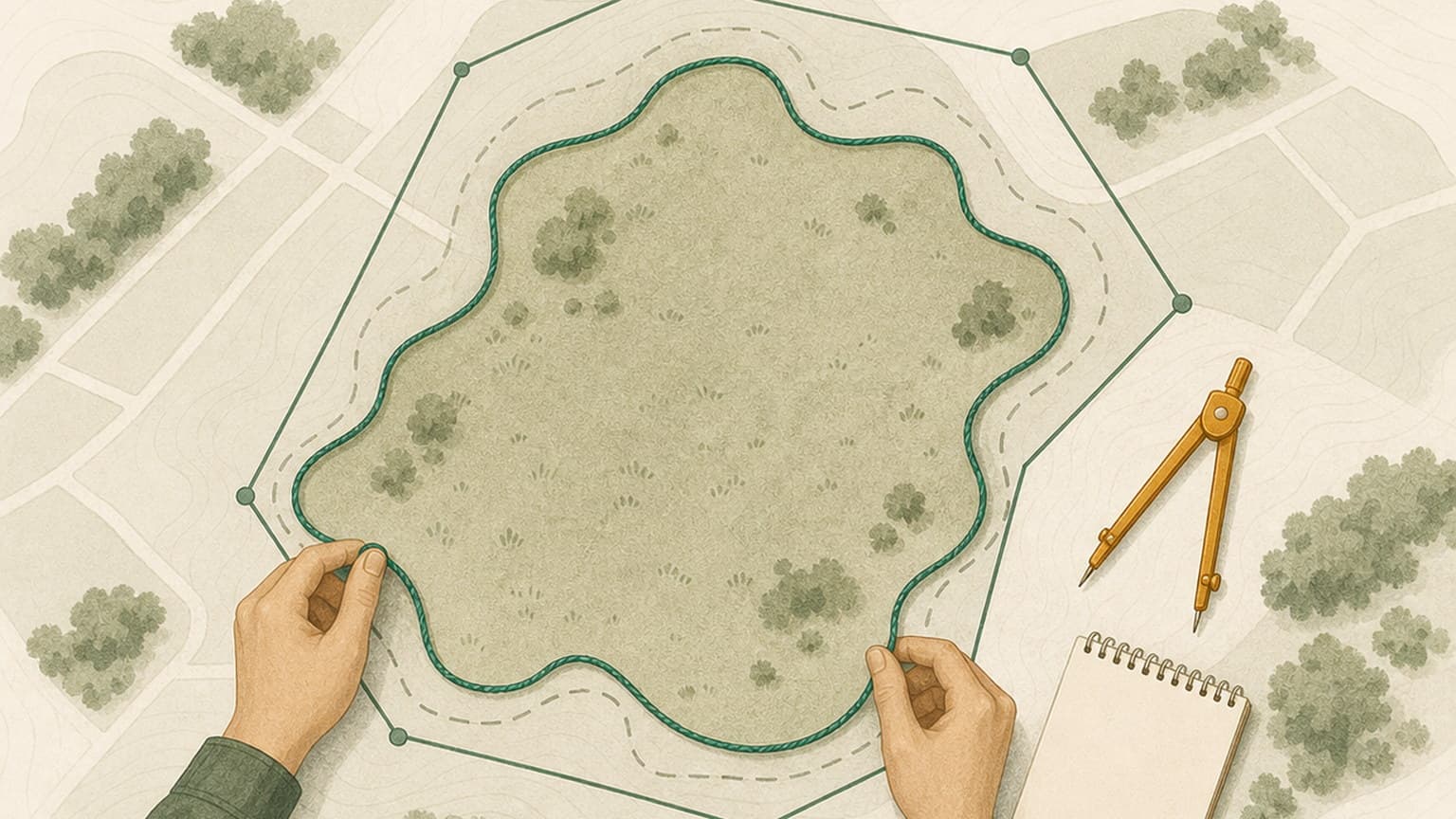
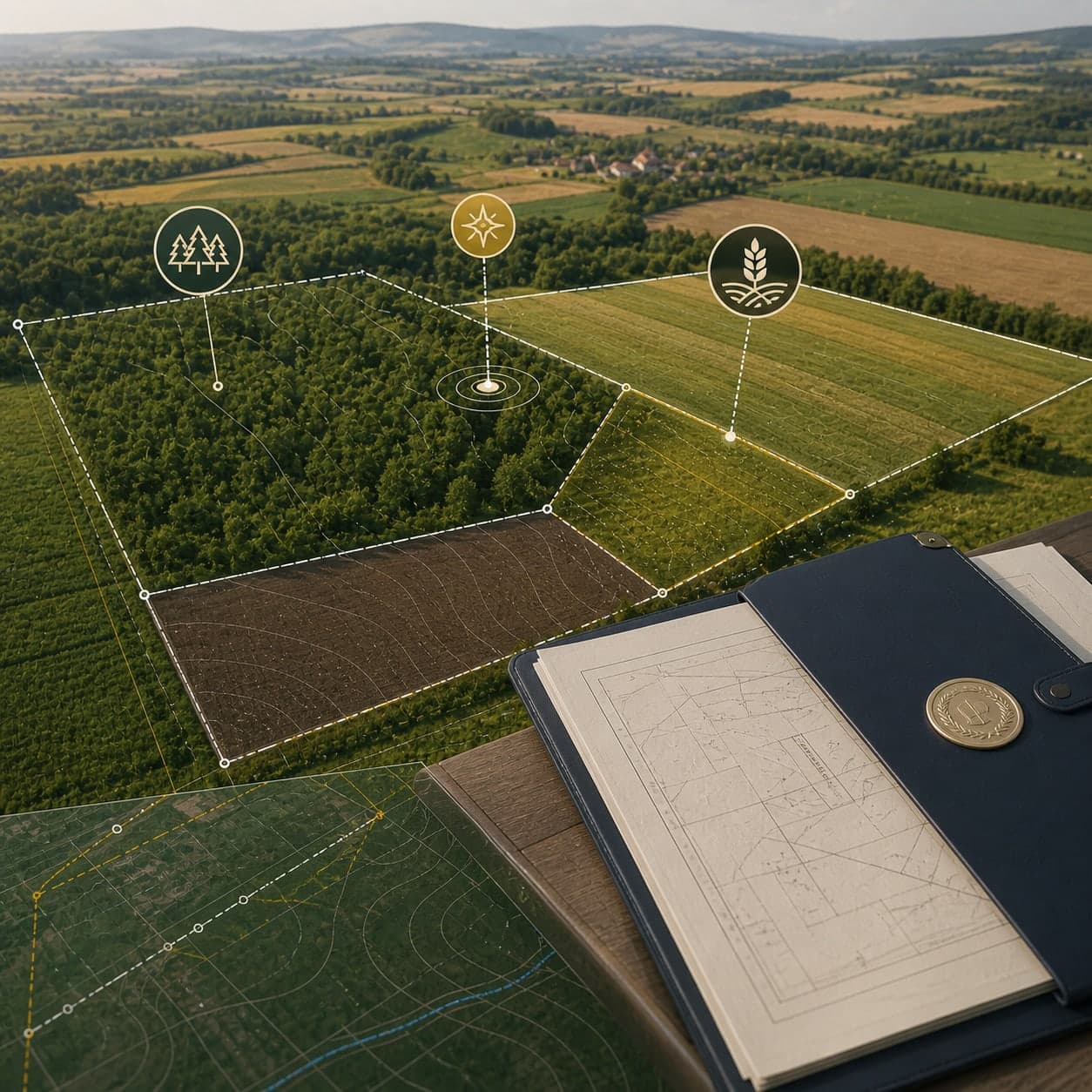
How to find a plot's area without a cadastral number

Practical steps for estimating: map, drawn outline and the difference between indicative measurement and cadastral records.

What you clarify: Estimate the area and proceed to a report without claiming to establish legal boundaries.

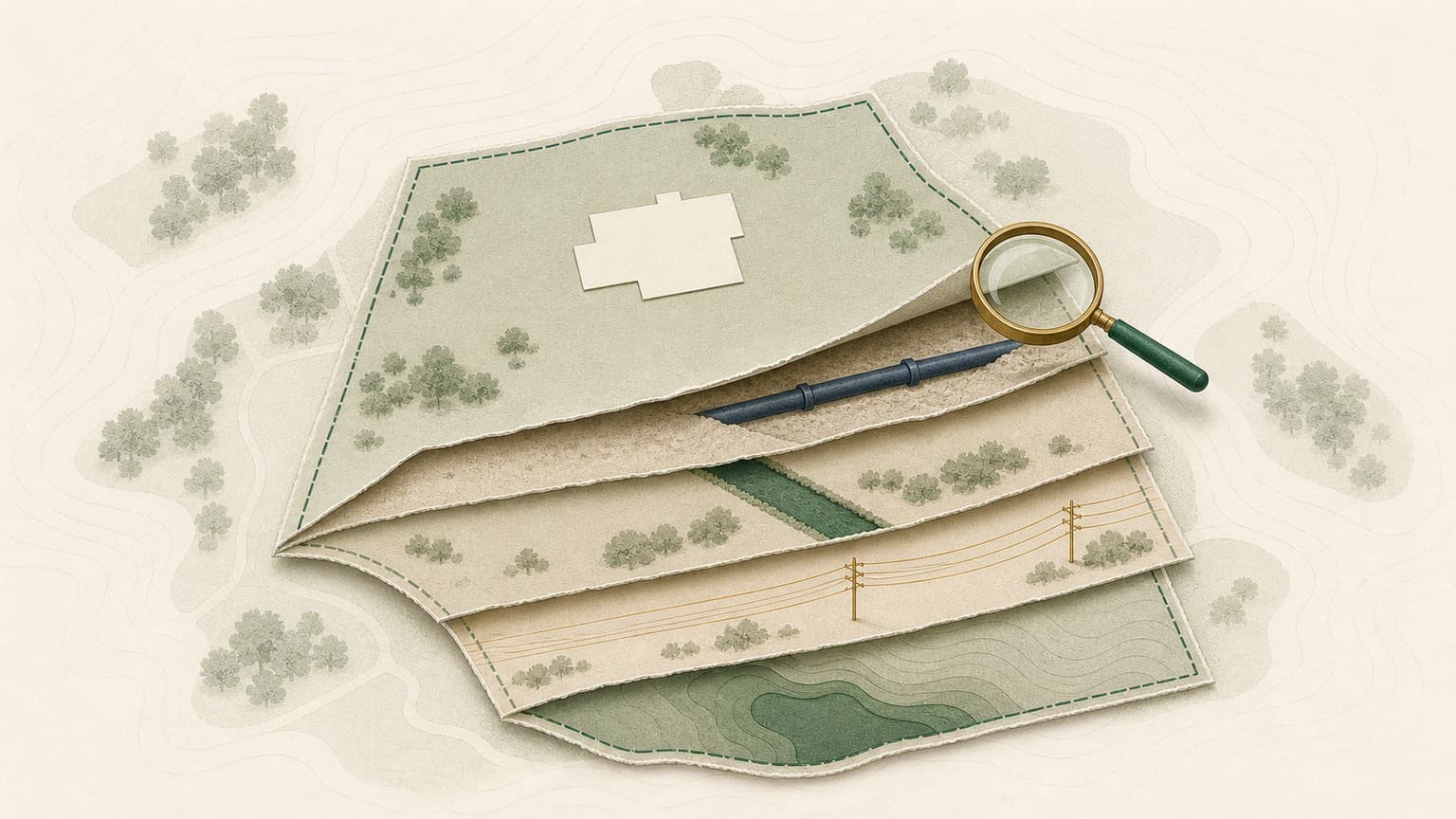
Hidden risks when buying land

Risks that may affect land: surroundings, utilities, easements and restrictions.

What you clarify: Separate real potential from restrictions and hidden costs.

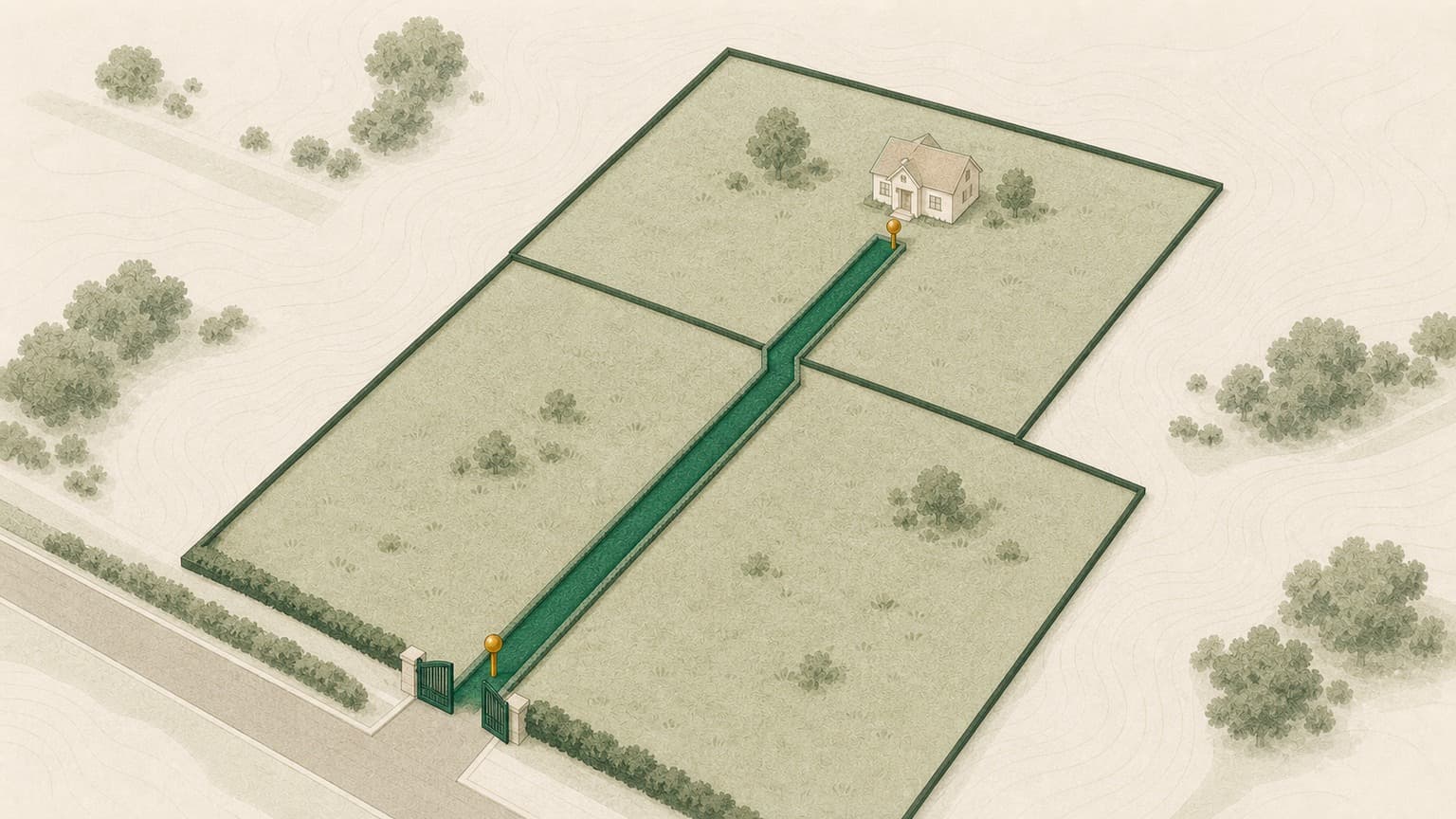
Easements and land access roads

How to check whether access is legal, not merely used in practice.

What you clarify: Check whether the road is legally secure, not just in use.

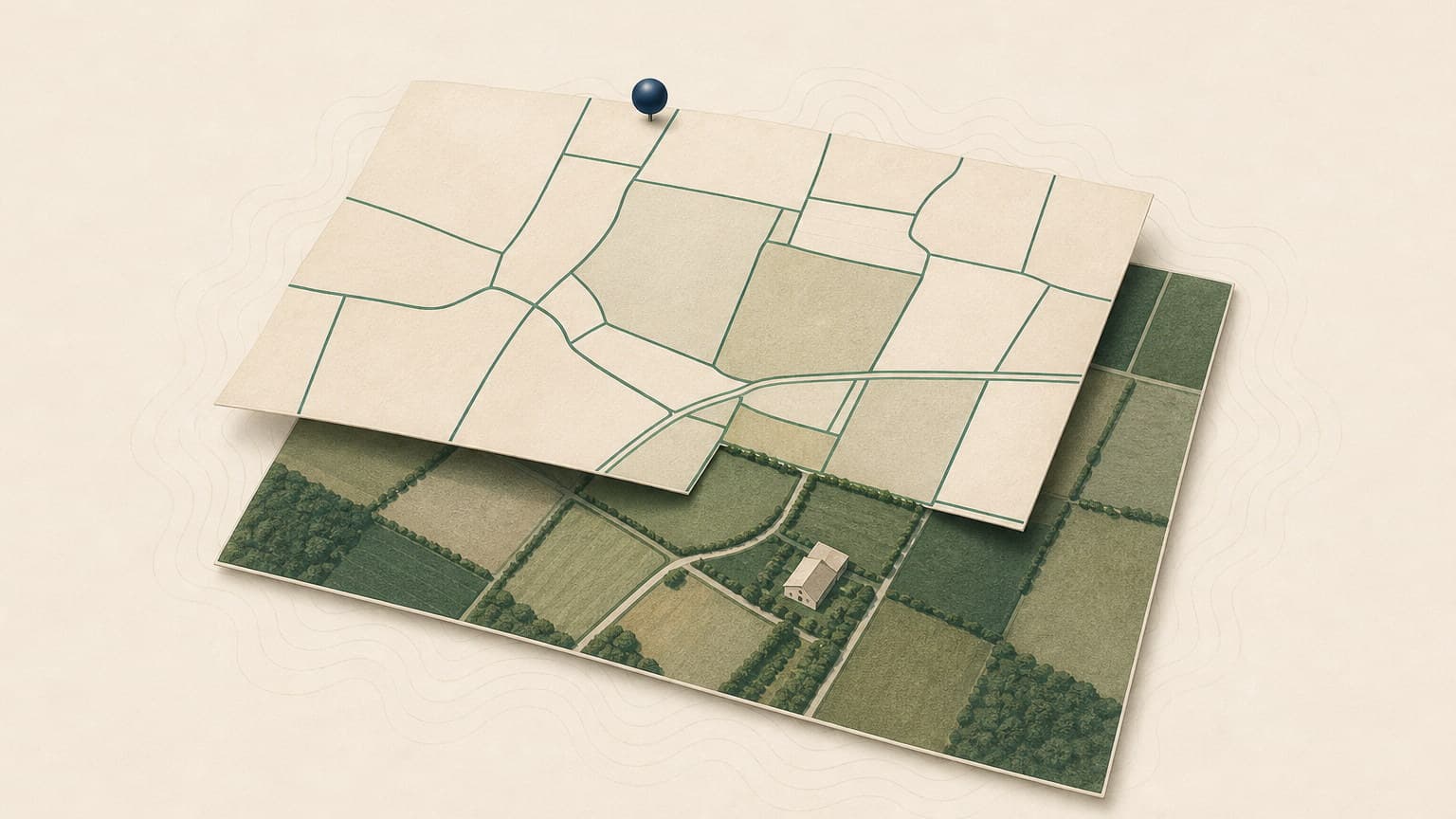
Cadastral plan on an orthophoto

How to check the actual land boundaries, access and overlaps on the plan.

What you clarify: Compare cadastral boundaries with conditions on the ground.

View all 6 guidesShow fewer

Risks and environment

5 guides

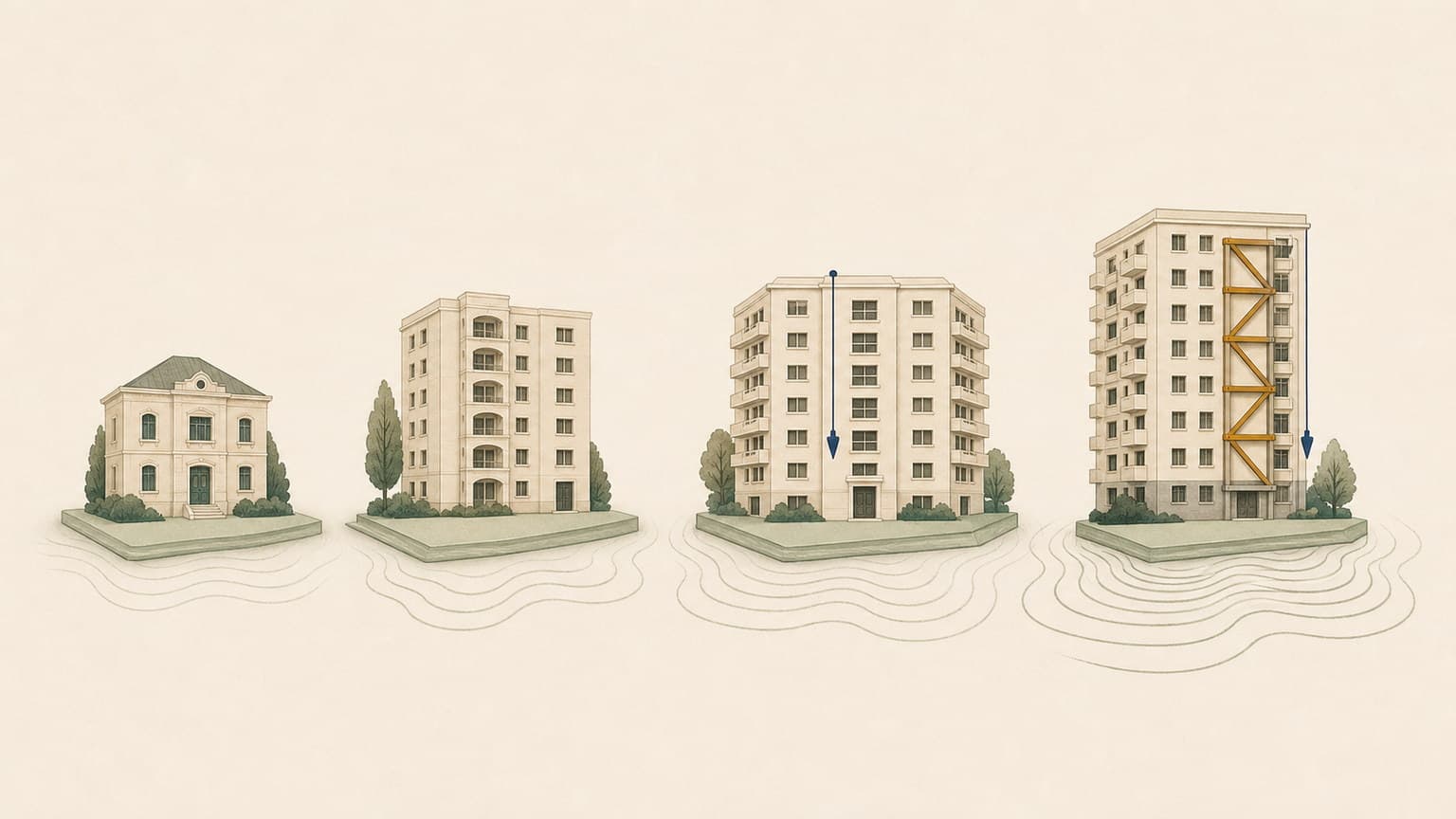
Seismic risk classes RS I-IV

Understand seismic risk classes and their impact on property safety.

What you clarify: Clarify the risk class and its effect on your decision.

Red disc: what it means and how to check

What the red disc (RS I) is, how to check a building by street and on the map, and what it means for buying, mortgages and insurance.

What you clarify: Find out immediately whether a building has a red disc.

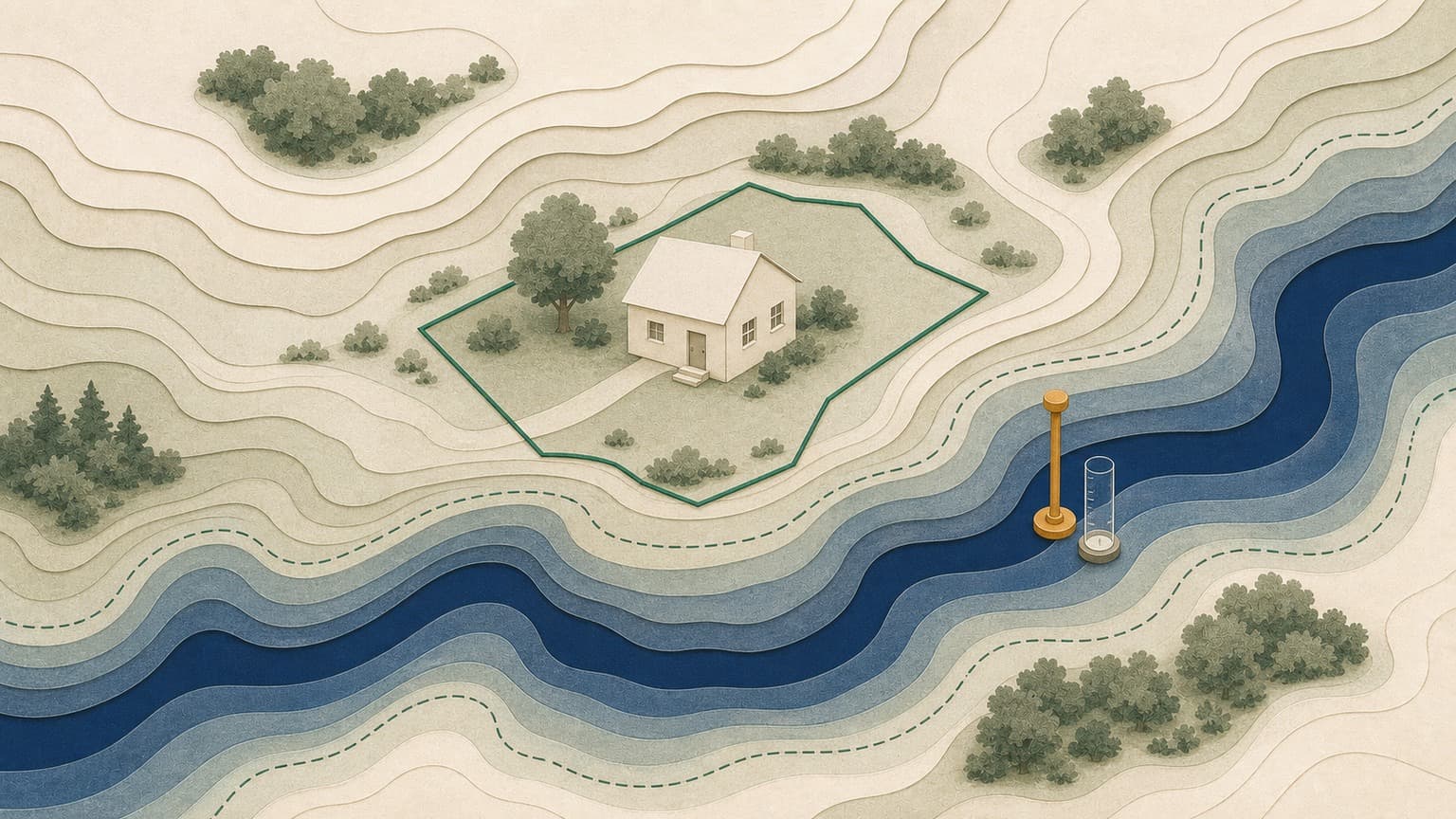
Flood-prone areas and flood risk

How to check whether a property, plot or neighbourhood is in a flood-prone area.

What you clarify: Check exposure to water before buying.

Historic monument or protected area

Restrictions, approvals and risks when buying an old house or protected property.

What you clarify: See whether special approvals, restrictions or costs apply.

View all 5 guidesShow fewer
Check a property